Help & Advice
Ideas, how-tos and real home stories to help you enjoy your doors and get more from your space.
Looking for help? Call 020 3744 0704 or email us
Browse our range of cottage style internal single doors.
From: £76.85
Turn your home into a cosy cottage-core dream with our cottage-style doors, designed to replicate the traditional cottage doors of Britain. They’re the perfect homely addition to your living space.
Our cottage-style doors come in a variety of styles and finishes so that you can match the door to your chosen aesthetic. White is perfect for a bright cottage feel, while timber offers a more natural look. You can additionally choose between doors with no glass, or various glazing options! Choose between various widths to fit your doorframe perfectly. At Aspire Doors you’ll find everything you need for your next home door renovation project.
10 year guarantee
High quality materials
A wide range of styles and colours
Fire doors available in certain styles
Looking for inspiration?
Cottage doors are a style of door that is based on the traditional English cottage. Our internal cottage doors are made specifically for indoor use and create a cosy and traditional look in a home
Aspire’s internal cottage doors may look traditional but they are made from high-quality materials that are sustainable and energy efficient. They’re a fantastic way to create a homey and cosy feel inside. Additionally, because of their classic look, they’ll never go out of style.
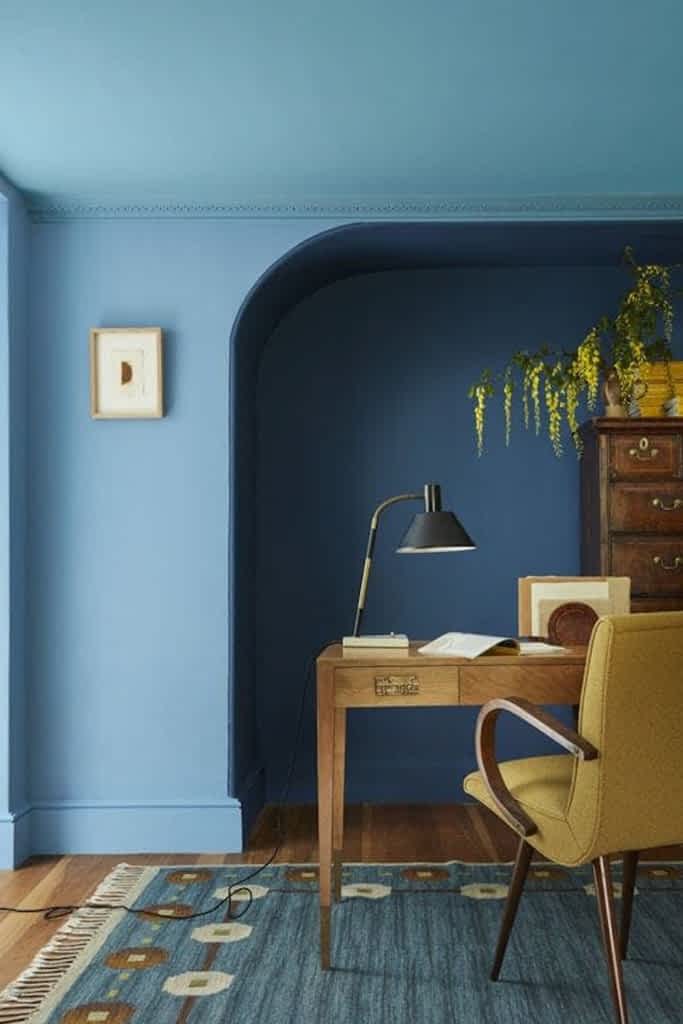
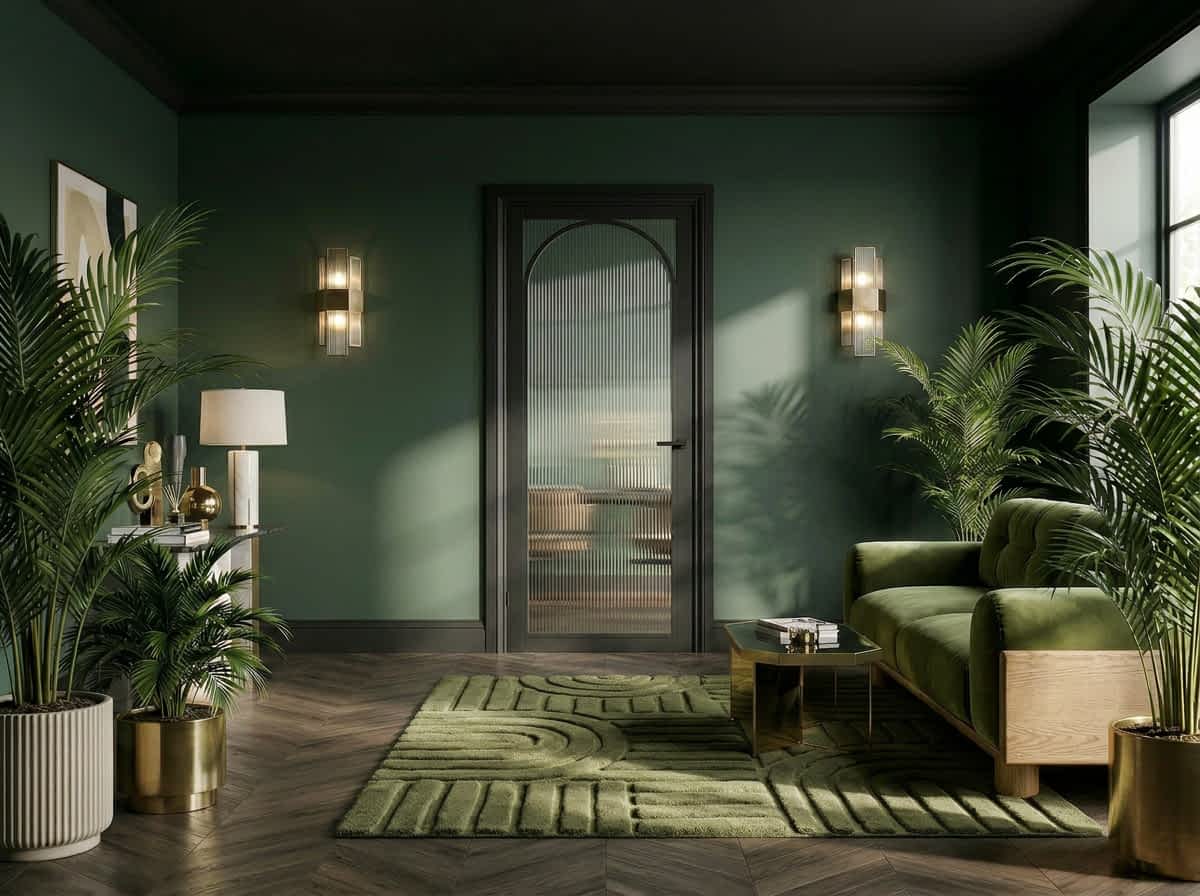
Cottage doors are typically made from wood and have a wooden finish. You can often find them painted in earthy tones like greens, tans, and dark blues to portray a natural beauty.
Our cottage doors come in an oak or white primed finish, and can be either glazed or panelled.
Even though their design is traditional, they are manufactured to a high standard. Our doors are made from sustainably sourced materials and are extremely durable, making them the perfect choice for any home.
Our cottage doors come in oak or white primed finishes, giving them a traditional English feel. You can additionally choose between either glazed or panelled doors. Glazed doors are especially useful for allowing natural light to flow throughout a home, whereas panelled doors provide more privacy and sound insulation.
Cottage doors have been used in old-style English cottages for centuries. One of the beautiful things about English cottages is that they aren’t typically designed for one point in time. Over time, cottage owners add and remove certain aspects of their cottage, making it truly unique to them.
Cottage doors come into play here. The simple cottage-style design makes them perfect for personalising. You’ll find some cottages with bright yellow doors, and others with a traditional wooden finish.
One thing can be agreed on though, the door must be made of wood. Also, the more authentic wrought iron door hardware that you add - the better.
In most cases, the difference between external and internal doors lies in their security and energy efficiency. External doors will have strong locks and may have additional layers of material that provide security. Weatherstripping may also be included with external doors to provide extra thermal insulation
This applies to cottage-style internal doors as well. An internal cottage door won't usually have the thermal insulation that an external door will have (though, a closed internal door will keep a room warmer than an open door).
Yes, installing a single internal door is a manageable DIY project if you have the right tools and skills. It involves measuring the opening, trimming the door if required, fitting hinges correctly, and ensuring the door is properly aligned so it opens and closes smoothly. Careful measuring and adjustment are key to achieving a good fit and finish.
Looking for more information? Check out our article on how to install a single internal door.
Yes, if your doors are unfinished or primed, treating them is essential to protect the wood and achieve your desired look. You can use finishes like stain, varnish, or paint, each offering different levels of protection and style.
Looking for more information? Check out our article on how to treat internal doors.
Many of our internal doors can be trimmed in both width and height to fit your opening. The amount of trimming allowed depends on the specific range, so it’s best to check the trimming details in the technical information section on the product page for the doors you’re interested in.
Solid core doors are more expensive than hollow core doors, but they offer better soundproofing and insulation. They are also heavier and more durable, making them ideal for high traffic areas or homes with small children. However if cost is a concern, hollow core doors are the obvious choice.
It is very common to replace an interior single door without replacing the frame, as long as the frame is in good condition – it should not be warped in any way or showing signs of significant damage. If the frame is damaged then it will need to be replaced.
The average thickness of an internal door is approximately 35mm, however this can vary depending on the style of door and the materials it’s made from.
For example, a solid wood door will usually be thicker than a hollow core door. A fire door will also be thicker than a standard internal door, as it needs to be able to withstand extreme temperatures.
Ideas, how-tos and real home stories to help you enjoy your doors and get more from your space.
Ideas, how-tos and real home stories to help you enjoy your doors and get more from your space.
Unit 2, Hayleys Manor Farm, Upland Road, Epping Upland, Essex CM16 6PQ
You’ll need to trim mm off the left & right of each door
You’ll need to pack mm either side of the frame
You’ll need to trim mm off the top and bottom of each door
You’ll need to pack mm above
You’ll need to trim mm off the left & right of each door
You’ll need to pack mm either side of the frame
You’ll need to trim mm off the top and bottom of each door
You’ll need to pack mm above