Home / Blog / A Home-owner’s Guide to Choosing Doors
A Home-owner’s Guide to Choosing Doors
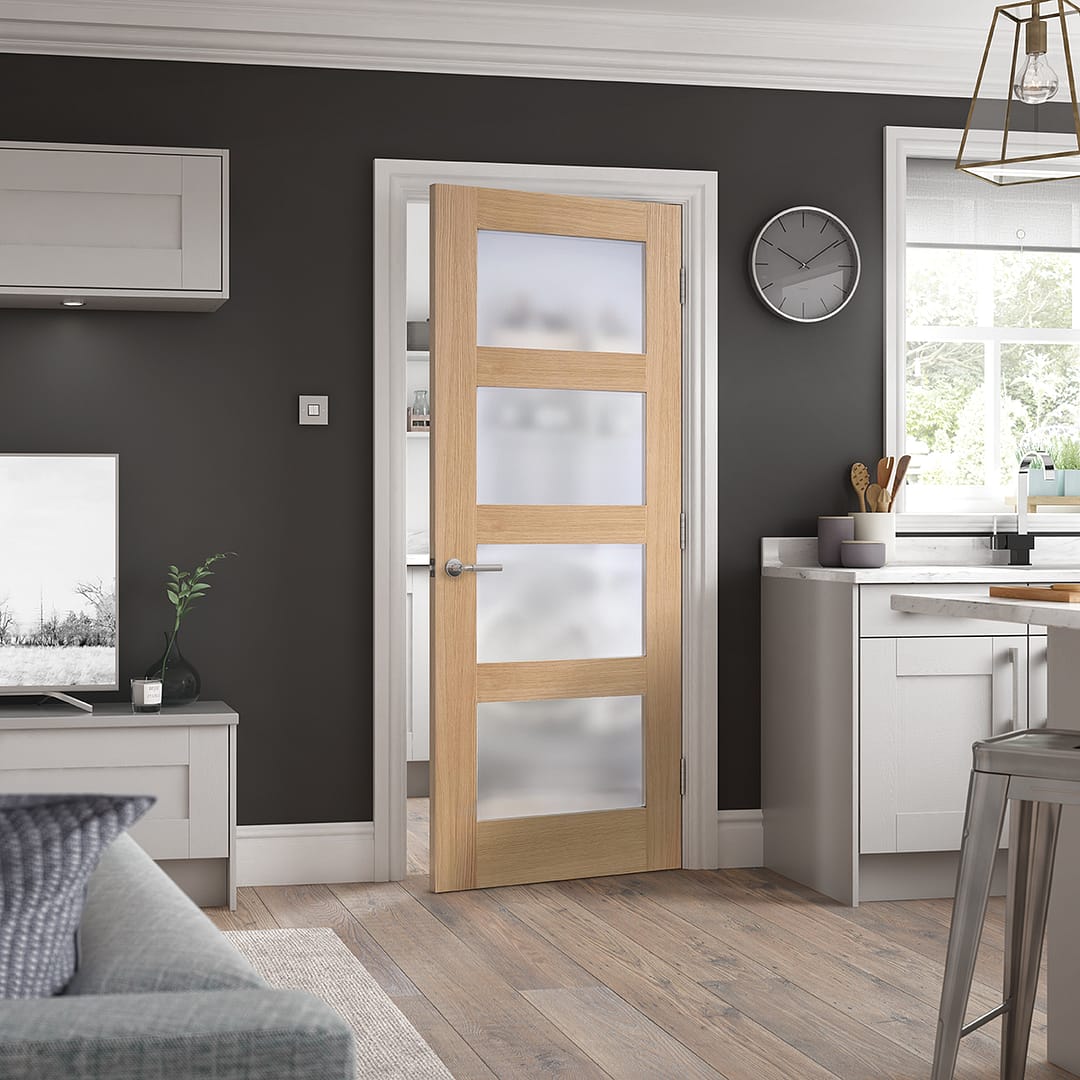
When it comes to choosing doors for your home, wooden doors come out on top time and time again, and it’s easy to see why. They are long lasting, can be customised to your taste, and are designed to stand the test of time.However, choosing the perfect wooden doors for your home is much more difficult than it may sound. Walk into any showroom or visit any website and you’re faced with countless different options; oak doors, French doors, folding doors, oak French doors. Then you’re faced with the question of whether you want solid or glazed. If you want glazed, do you want them frosted or clear?
Key Considerations when Choosing your Door
Choosing a new door is one of the most impactful decisions you can make for your home. Before buying, there are a few things you can take into consideration to make sure that you’re getting the long-term value that you deserve.
1. Purpose and function
Different doors serve different rules in the home. Are you looking for a door that will be used in an entryway? These will need a combination of high security features and aesthetics - while interior doors will prioritise ease of movement and natural lighting. The amount of traffic will need to be taken into consideration too. Understanding your door’s purpose will help narrow down the decisions.
If you’re buying an interior door: You may choose a door that is easy to move, allows natural light to flow through the rooms and provides adequate sound insulation
If you're buying an exterior door: You will need to consider the security features and aesthetics to make sure that you’re getting a door that keeps your home safe while still looking great!
If your door is in a high traffic area: You’ll want to choose a semi solid or solid core door - this will give you a more durable door with a longer lifespan
2. Materials used
The materials that you choose will not only affect the maintenance requirements, but also the energy performance and lifespan. Typically internal doors will consist of timber, while external doors can also include aluminium and uPVC.Internal Doors
Choose hollowcore doors if: You’re on a budget or don’t require high sound or thermal insulation
Choose solid core doors if: You’d prefer a more durable option with a longer lifespan and higher thermal/sound insulation
External Doors
Choose timber if: You’re okay with maintenance, prefer a natural look, and would like to customise your door
Choose uPVC if: You’re on a budget, would like higher thermal and sound insulation, and are okay replacing your doors after 10-15 years
Choose Aluminium if: You have a larger than normal opening, would like the maximum amount of glazing used, and would like low maintenance with a long lifespan.
3. Security Features
A home’s security is one of the most important factors to consider when choosing external doors. Many modern doors (and many of the doors at Aspire) use advanced locking systems that secure the door at multiple points.
If you’re buying an external door: Choose a door with a multi-point locking system and toughened glazing
If you’re buying an internal door: You may only need a simple locking mechanism for bathrooms and bedrooms.
All of our external doors come with locking systems that are fully compliant with the British building regulations.
4. Maintenance Requirements
You should choose a door with maintenance requirements that fit your lifestyle. You need to be willing to care for the door in the way it needs to be cared for - otherwise you’ll end up needing to replace them sooner. Wooden doors often have much higher maintenance standards than pvc or aluminium. But you can always choose a lower maintenance timber door when necessary.
If you want low maintenance: Choose an engineered timber door, upvc, or aluminium.
If you’re okay with maintenance: Choose a solid timber door. This will give your home a natural look with a high end feel, but may require more looking after
Typically solid timber doors will benefit from the use of a dehumidifier, may require sanding over time, and could warp if not treated properly.
Top Three Tips for Choosing Doors
The seemingly endless array of options can make choosing the right doors for your home much more painful than it needs to be. So, to help you out, we’ve gathered a few of our top tips in this handy post to try and make the decision-making process just that little bit easier for you.
Tip 1: Choose Solid Doors If Your Budget Allows
Most wooden doors are available in two types; solid wood or hollow core. The hollow core doors are lightweight and easy on the pocket but they’re not as hardwearing or durable as solid wood doors.If you’ve got a busy home with children and pets running around then you might find that hollow doors don’t last as long as you’d like them to. Although solid doors may cost a little more at the start, they will stand up to a great deal of abuse and, in the end, will demonstrate their worth over the years.
Tip 2: Pick the Right Style
Make sure you choose doors that compliment that style of your home. Whilst those ornate dark wood doors might fit in with your current décor obsession, your doors are likely to be a permanent fixture in your home for years to come. With this in mind, you should try and choose doors in a neutral style so that they can stand the test of time if you change your décor or furniture.
Tip 3: Engineered Core = Less Maintenance + Longer Lifespan in Humid Climates
One downside to wood is that as the weather gets hotter or colder, wood expands and contracts. This can result in doors that become “stuck” and are very difficult to open or close.If you live in a particularly hot or humid climate you might want to choose doors with an engineered core. The construction of these doors is much more resistant to the types of weather than can cause bowing and warping.If you live in a country where a hot and sunny day is a rarity, the solution is much simpler; invest in a dehumidifier – it will help your doors to return to their usual size whilst also making your home more comfortable to live in.
Find a Reputable Manufacturer
This is particularly important if you care about the environment. Not all manufacturers of wooden goods give much thought to their impact upon deforestation; however, a little research should reveal the details of those that do.Keep an eye out for firms who encourage responsible sourcing, and you’ll be supporting companies who make sustainability a priority. At Aspire, our doors are made from sustainably sourced timber and