We will be closed for Christmas from 3pm on Friday 19th Dec and re-opening on Monday 5th Jan. Any orders placed now will be delivered in the New Year. Merry Christmas!
As interior home design heads towards a more open plan, spacious living environment, it’s no surprise to see a rise in traditional patio doors.
Taking a look at several patio door ideas, we’ll consider what might be best for your home and how best to utilise your patio doors.
For the ultimate seamless transition you can have the floor of your patio and home align perfectly, with the rail of your folding patio doors built into the ceiling rather than the floor. This will create the ultimate harmonious living space. This will require you to consider draughts and drainage (you don’t want water leaking beneath your door, after all), but get it right and it’ll look amazing.

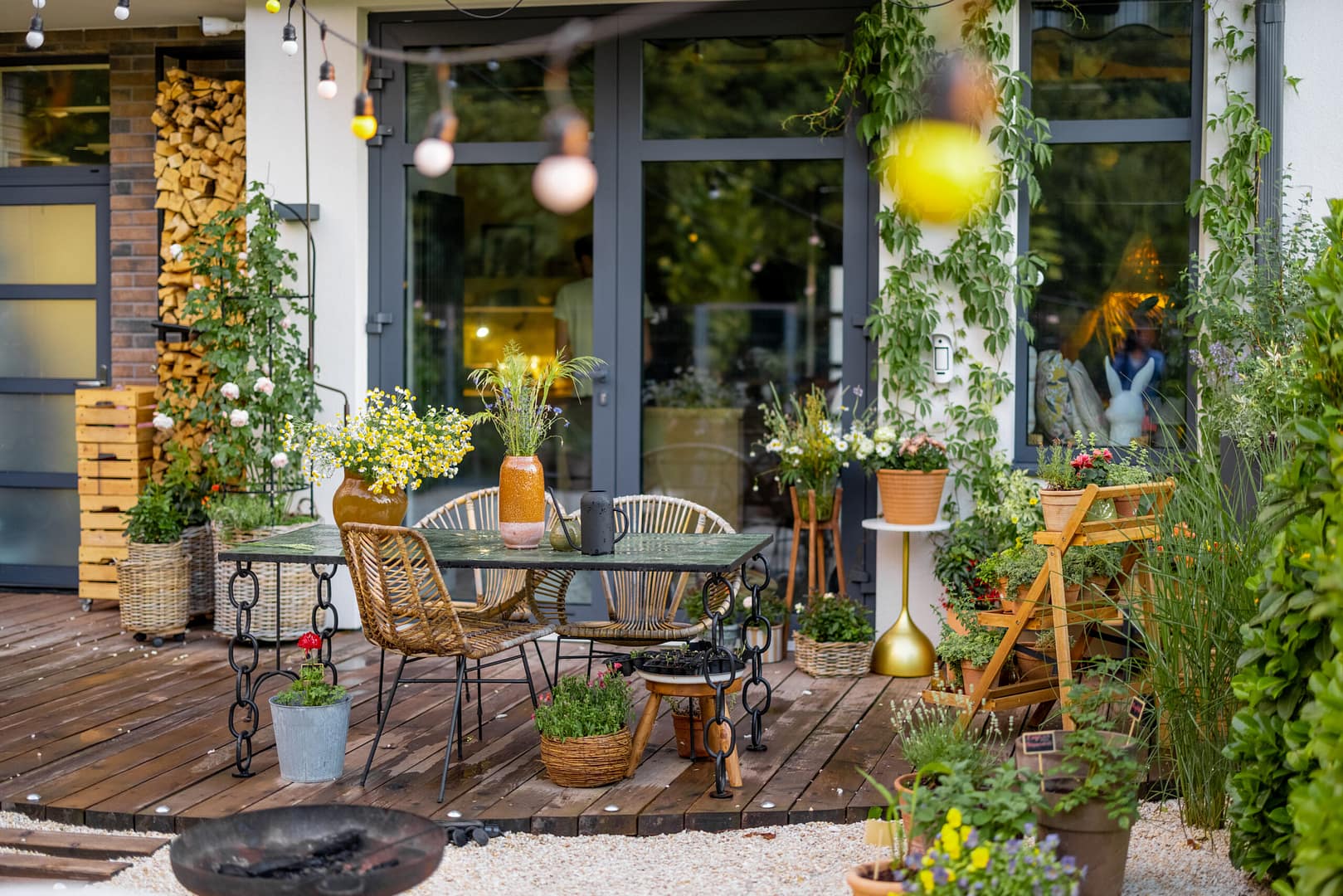
If you’ve got wooden decking installed outside, then another option is to raise it to the same level as your internal flooring, and minimise the gap between the levels.
While you’re unlikely to want to match the decking with the sort of hardwood flooring you’re laying in your lounge, wooden decking allows for rainwater to drain through, and if properly cared for will last for several decades.

Folding patio doors make a great addition to conservatories and garages that have been converted into living spaces. Since garages aren’t built with light dispersal in mind, they could benefit from the glazing that a bifold door provides. If your garage is set behind your property, then installing a large sliding door along the side of it will solve the light problem in a second, and provide you with an extra living area.

Given the considerable size of some doors (especially a bifold or sliding door), they can dominate exterior walls; even in larger properties. This may just exactly be the thing you’re looking for! If not, you can always balance the large opening by using a long dining table that runs parallel to the door. It’s a perfect setting for summer parties, and it’ll ensure that the eye isn’t confronted with a large empty space.
For the sake of convenience, you might wish to install a canopy just above your bi-fold doors. The one pictured here is part of the building structure, but you can also install a retractable canopy.

With many different styles of patio doors on the market, it’s impossible to ignore the effect your garden can have on your living spaces. With that in mind, knowing how to best utilise your internal and external spaces so that they flow together is just as important as having a patio door itself.
If you have doors that swing open (like French Doors or single back garden doors) you’ll want to make sure they have the space to open without getting in the way. You’ll want to make sure garden tables are far enough away and that no plant pots are in the way. For smaller gardens, it may be worth having your doors open into your home, as opposed to your garden.
It’s also worth bearing in mind how open to the weather your property is. In windier locations, doors that swing open might not be ideal. The best option is to go for a sliding door or a bifold door. But if you just can’t escape the swinging door, then there are a few ways to combat blustery winds. You might tether your doors to the external wall using a small hook-and-chain, or you might prop them open using a rock or plant pot. Both options give your doors the extra holding it needs to stay open on a slightly windy day.
You’ll need to think about the direction in which the bi-fold doors in your garden open. Having them extend out from the building is a logical choice, as this will maximise interior living space. However, you may just decide to have the extend inward (controversial, i know!) This will mean you don’t need to worry about the wind, and you’ll be able to incorporate more decorative features around the outside of your patio doors (think climbing plants and other adorable ornaments).
Bifold doors leading to your garden can look spectacular. Their folding, sliding concertina-style design allows them to cover wall spaces of five metres and more. These sliding patio doors are the perfect match for uninterrupted stretches of wall which adjoin the patio.
Internal bifold doors allow you to open up or divide rooms as desired. With their minimal framing, natural flow flows seamlessly in your home. With a little ingenuity, you can achieve the same effect in your garden. Match your patio’s tiles with those of your kitchen-diner, and you can create a seamless living space that’s perfect for barbeques.
Sliding doors are the perfect for homes that can benefit from large amounts of natural light. Their large glazed doors can increase the natural light flow into your home. The best part is, because these doors slide open, they take up virtually no space inside or outside of your home, leaving your entire patio open for activities and decorations of all kinds.
Much like other patio doors, sliding doors are fantastic for any home looking to increase its internal and external living spaces.
These door’s unique glazing size give you the option to turn almost your entire wall into a window – making it perfect for homes that need a little extra natural light.
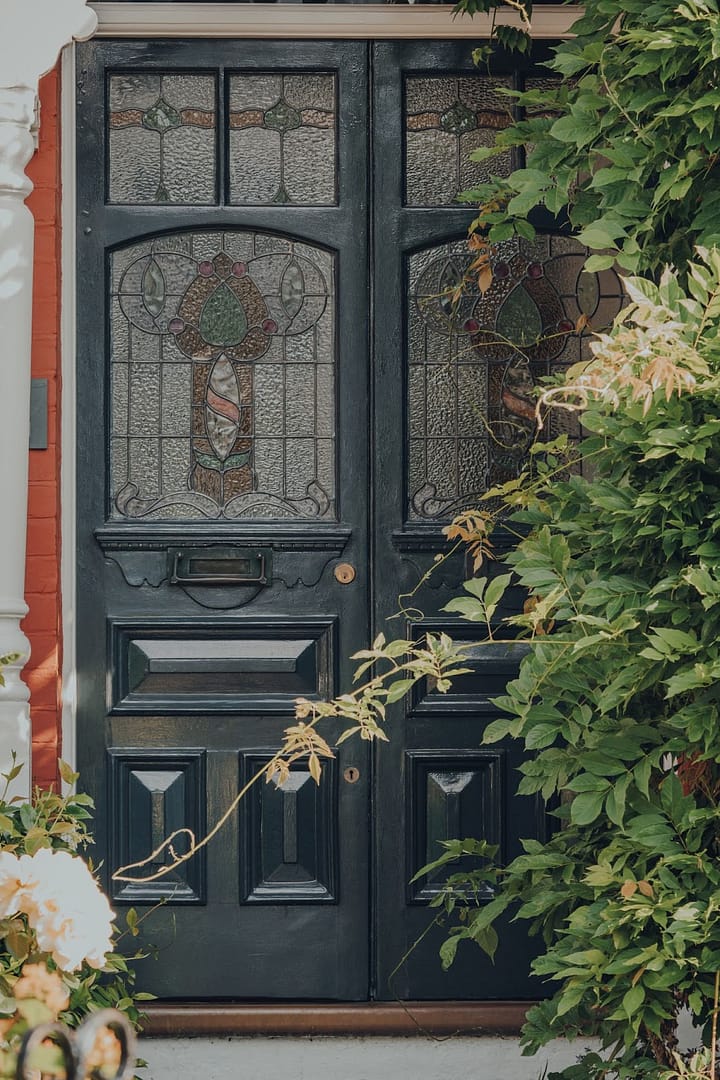
French doors are a great way to turn your patio into an adorable European getaway. When styled right, can be paired with both traditional and contemporary homes.
A set of stunning French patio doors leading to the garden make a great match for smaller properties, too. They’re simply constructed, consisting of just two doors attached to opposite sides of the frame. Locking together where they meet in the centre, these patio doors are also fantastic for increasing your home’s security. This means fewer moving parts, which in turn means more glazing.
At Aspire, we try our hardest to be here for you. From choosing your door to installation and maintenance, our team is here for advice along the way. If you have any questions about the doors we offer or steps along the way to installation, then please don’t hesitate to get in touch with our team.
You’ll need to trim mm off the left & right of each door
You’ll need to pack mm either side of the frame
You’ll need to trim mm off the top and bottom of each door
You’ll need to pack mm above
You’ll need to trim mm off the left & right of each door
You’ll need to pack mm either side of the frame
You’ll need to trim mm off the top and bottom of each door
You’ll need to pack mm above
You’ll need to trim mm off the left & right of each door
You’ll need to pack mm either side of the frame
You’ll need to trim mm off the top and bottom of each door
You’ll need to pack mm above