Looking for help? Call 020 3744 0704 or email us
When looking at new external doors and internal doors, you may have noticed both engineered doors and solid doors on the market. But what is the difference, and which is better suited for your home? At a quick glance, you wouldn’t be able to tell what your current doors are constructed of. So does it really matter, and if so, why?
In this article, we’ll be looking at the main differences between engineered doors and solid wood doors. In particular, why these may have different effects on your home. From performance benefits to increased security, there are many reasons to consider either type of door.
There’s a common misconception that products with an engineered core are inferior to solid equivalents. This is potentially due to the lower price point, as well as the implied quality difference between “solid” and “engineered”. It’s true that a solid oak door set has a desirability factor to it. However, an engineered system has significant performance benefits that shouldn’t be overlooked. Though they might look the same, it’s what’s on the inside that counts.
The internal structure plays a crucial role in whether a door is engineered or not. Some are built from one single tree, while others are layered and bonded with materials. Both have their benefits depending on your preferences.
As the name suggests, a solid construction door is made of separate one-piece components. These are joined, dowelled or glued together. This is the traditional structure and is still very stable compared to the cheaper hollow and foam core options. These doors are best for homeowners who want a traditional high quality door that can be refinished over time.
Because these doors are made from solid wood, they’ll need additional maintenance to ensure their long lifespan. They may be more prone to warping or swelling in the winter if humidity isn’t controlled, making these doors ideal for homes that are climate controlled.
These Doors Are Best For: Homeowners who value traditional woodmaking, would like a genuine all-wood door that will last for years with the proper care, and are okay investing higher amounts of money into their doors.
Engineered cores are a more modern approach to door leaf construction. An engineered door consists of multiple layers of timber that are pressed and glued together in different directions. This forms the core material. A veneer is then applied to the surface and lipping fixed to the edges. It is this purposefully arranged construction that gives engineered wood doors their name. They offer excellent stability, are usually lighter, and are less prone to warping.
These doors also can’t typically be sanded down as the veneer is a thin layer on top, and so won’t suit a homeowner that would like to refinish multiple times.
These Doors Are Best For: Those who want the appearance of real wood with added stability and less maintenance at a lower price.

Both doors boast different properties that will benefit homes – from insulation to functionality to daily use.
As solid doors are made of whole intersecting pieces, there is an inherent strength that comes from the construction. Solid oak doors are very popular for their strength and durability. As one of the most sturdy solid wood doors on the market, they are also an incredibly luxurious and stylish alternative to other doors.
Solid wood is naturally good at insulating both heat and sound. Though because solid doors are susceptible to warping, without the popper upkeep, it may lose its thermal and sound insulation over time.
These Doors Are Best For: Homeowners with climate controlled homes, or those who are willing to upkeep their doors to ensure thermal efficiency stays top-notch over time.
Engineered doors, including engineered oak doors, are incredibly sturdy. These doors have the natural insulation of solid oak, combined with modern technology. Different materials are bonded together within the door to improve the thermal efficiency and lessen the chance of warping over time. Engineered doors are the perfect alternative for improving your home’s thermal efficiency without much upkeep.
These Doors are Best For: Any home that can benefit from additional sound and thermal insulation with less maintenance.
All wooden doors need care, but the effort varies depending on the material and finish.
Solid wood doors are susceptible to environmental changes. Variations in humidity and temperature can have detrimental effects on these doors. Exposure to factors like these can cause a solid door to warp or bow, making it twist and gradually lose shape. Without the correct maintenance, they will no longer fit within its frame. This can be detrimental to your security and thermal efficiency.
The advantages of solid wood are that any scratches and marks can be sanded away, allowing the door to be refinished multiple times.
These Doors Are Best For: Those who may enjoy maintaining natural materials, and value longevity over convenience.
Engineered doors are built with different timber and materials in different parts of the door. By having these layers of timber rubbing in different directions, an engineered door is able to evenly distribute any stress applied to it. This makes an engineered door more naturally stable than its solid wood counterpart, and ultimately means that there is less overall maintenance to upkeep these doors.
They can be kept in great condition by simply wiping it down and the occasional polishing. However, these doors can’t be sanded or refinished as often as solid timber.
These Doors Are Best For: Busy households that want easy-to-care-for doors with long lasting features and minimal upkeep.
Solid internal doors and external doors, particularly hardwoods like oak, will always have a premium allure to them. There’s an undeniable attraction to products with a solid hardwood construction, but they might not always be the best choice for your project.
It’s highly likely that an engineered set will out-perform your solid option for less money. As building regulations call for better thermal insulation, your final decision could end up being a no brainer. With engineered doors less likely to warp than solid doors, their ability to stay tight within their frames help retain your home’s warmth.
This isn’t to say that a solid oak door shouldn’t be considered over engineered core doors in some situations. If maintained properly, a solid oak door is likely to outlast engineered oak doors and should be considered for a long term investment.
Overall –
Projects where authenticity are key. They suit homeowners who value natural material and are willing to invest time and energy into maintaining their doors, with the understanding that they may change shape over time.
Modern homes with busy lifestyles that require stability and low maintenance. They’re ideal for energy-efficient properties, large developments, or anyone looking for high performance and consistent performance with minimal upkeep.
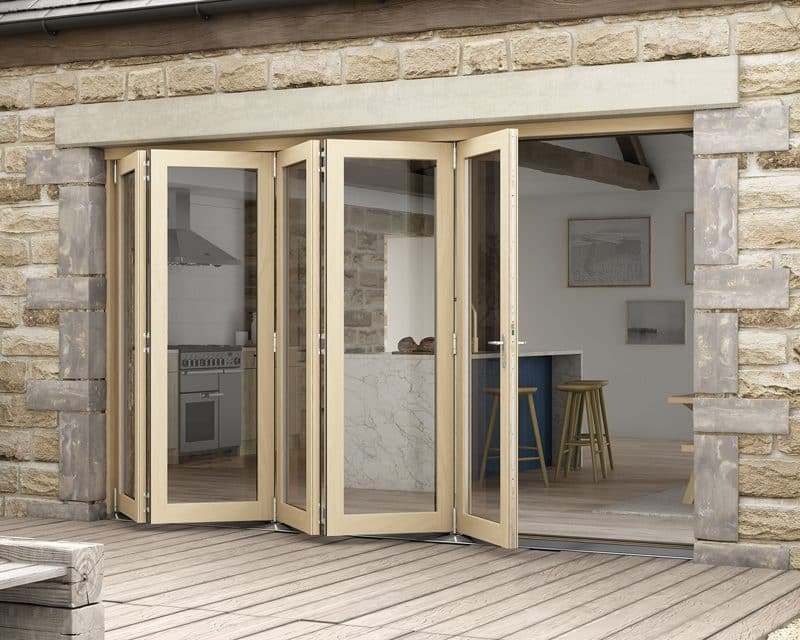
Our 3 Part Laminate Solid Oak Bifold Doors combine the natural look and feel of timber with a simple 3 part laminate that keeps it from warping in the same way that solid oak does.
Our family values mean honest advice, real conversations, and help when you need it.
All of our products are delivered safely and reliably to any Mainland UK postcode.
Our expert support team are always on hand to answer your questions. Drop us a line today.
Unit 2, Hayleys Manor Farm, Upland Road, Epping Upland, Essex CM16 6PQ
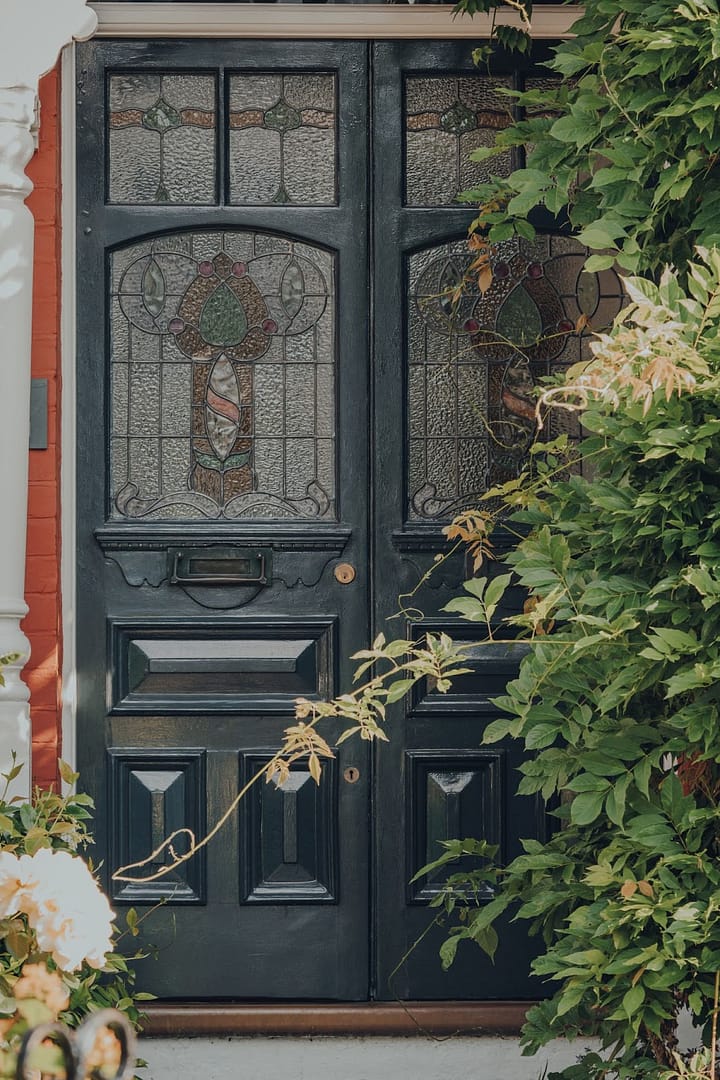
Looking for a new front door for your period property? Our guide to Edwardian front doors
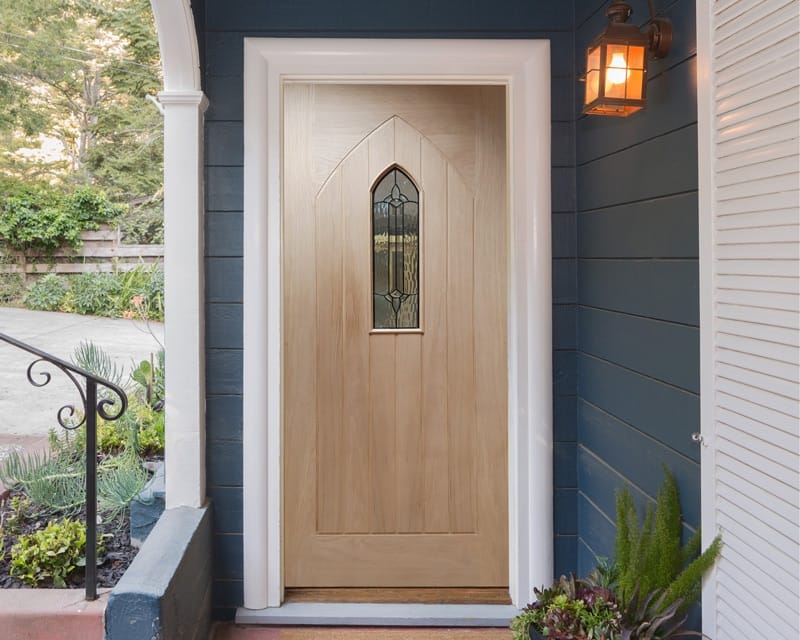
Choosing the right front door for your home is important. Your entryway sets the tone of
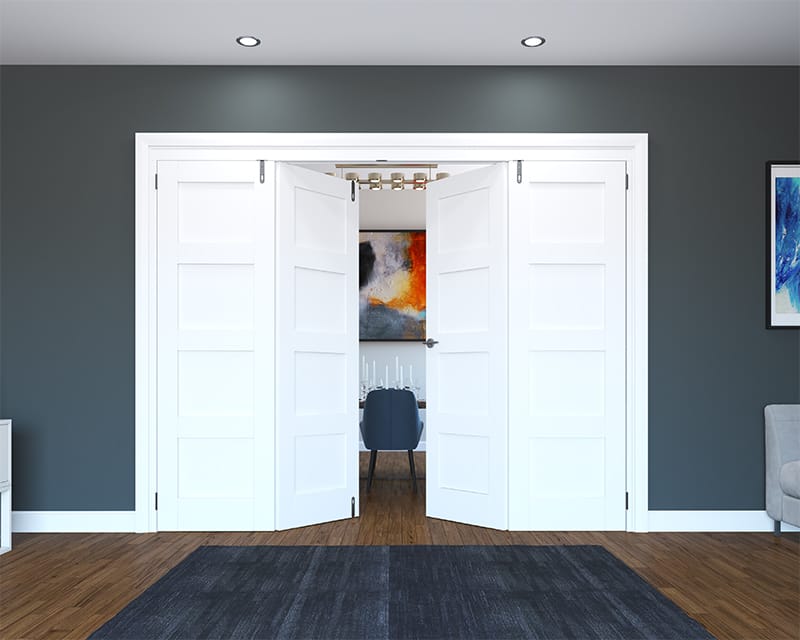
Our handy guide will help you decide between hollow core, solid core, and solid wood
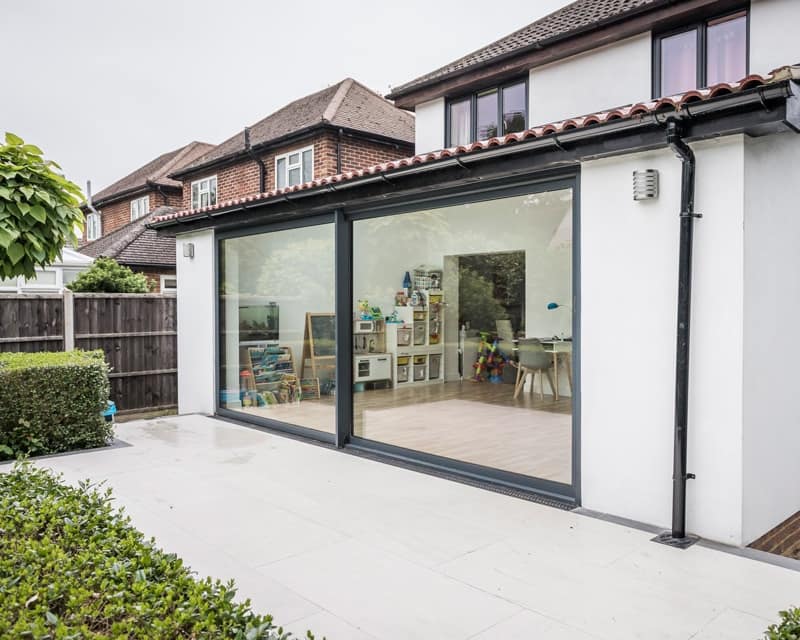
Bi-fold and sliding doors are a great addition to your home. They open up your space by
Our family values mean honest advice, real conversations, and help when you need it.
All of our products are delivered safely and reliably to any Mainland UK postcode.
Our expert support team are always on hand to answer your questions. Drop us a line today.
You’ll need to trim mm off the left & right of each door
You’ll need to pack mm either side of the frame
You’ll need to trim mm off the top and bottom of each door
You’ll need to pack mm above
You’ll need to trim mm off the left & right of each door
You’ll need to pack mm either side of the frame
You’ll need to trim mm off the top and bottom of each door
You’ll need to pack mm above



If you found this article useful, please share!