Looking for help? Call 020 3744 0704 or email us
Wooden doors are classic – they go all the way back, filling some of the first door frames ever made. The reason wood has stood the test of time is because it’s just so dang good at being a door! What’s more is we’ve found ways to make wood even better at being a door. Read on to find out how.
In today’s age, things are more complicated than they used to be. You can choose from aluminium, uPVC, and other various materials to have your doors built from. While each has their place, nothing beats the classic look and feel of a timber door.
Timber doors are unique in that they can be used both internally and externally.
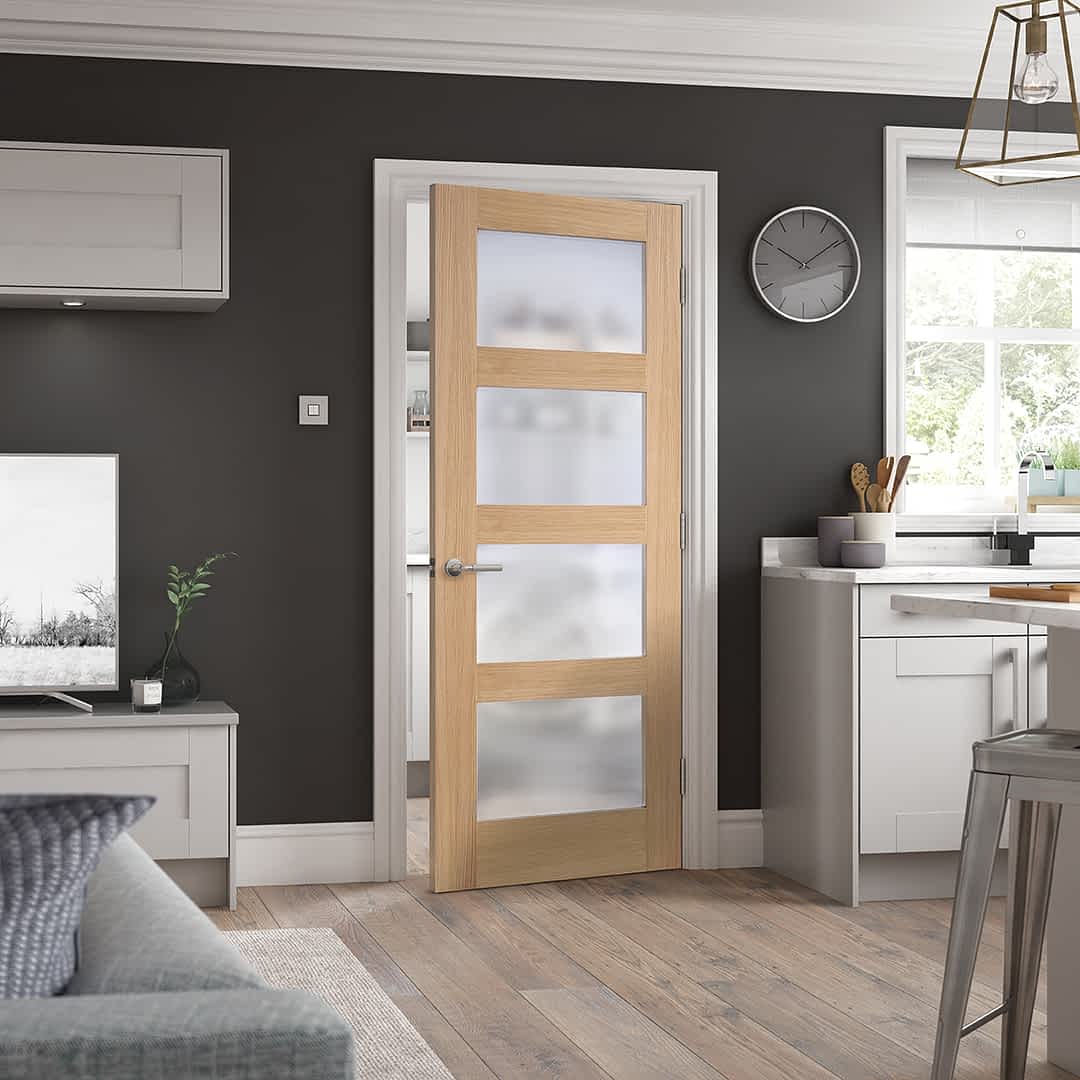
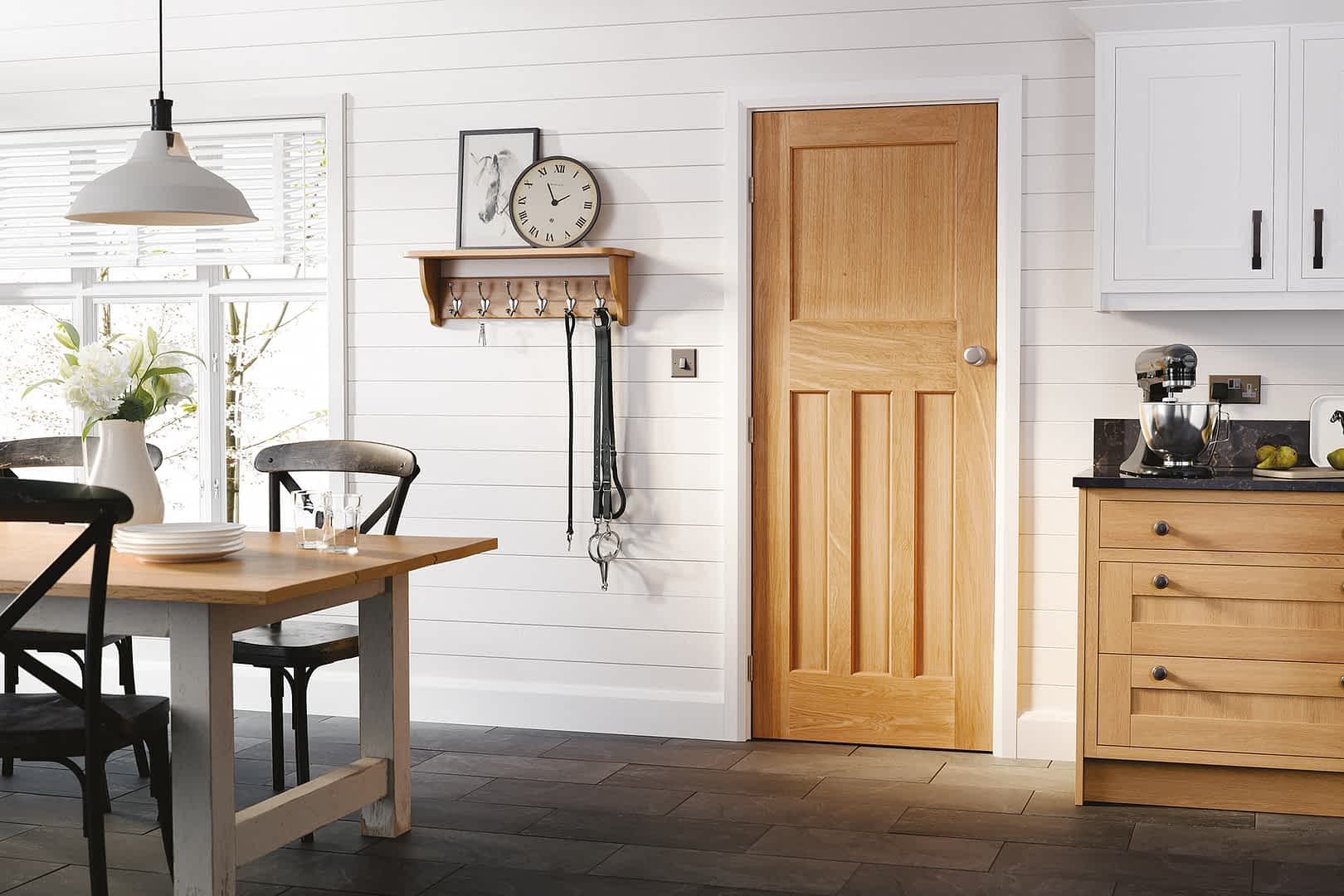
Unlike uPVC, composite, and aluminium doors, wooden doors are suitable as both internal doors and exterior doors. This is perfect for homes looking to keep their interior design in uniform with their exterior. Wooden exterior doors offer strength and security whilst wooden interior doors offer a high-end feel. Their finish can be altered as you wish, and if maintained correctly, can outlast most other types of door.
Timber doors can be both solid wood, and engineered timber.
This is where we’ve learned how to improve those classic timber doors. While solid doors are made from (as the name suggests) solid pieces of wood, engineered timber is made from a variety of types of wood, glued together to create a sturdy inner structure, with a smooth outer layer on top (the veneer). These different types of wood are specially crafted to allow the door to expand and shrink without warping – making engineered doors exceptionally durable throughout the changing seasons, and exceptionally energy efficient. Engineered doors are kind to the wallet as well – they tend to be on the less expensive side compared to solid wood doors.
Although sometimes you just can’t escape the charm of a solid wooden door. While they look similar on the outside, solid doors can be much simpler to repair, and have a natural feel to them that engineered doors just can’t replicate.

One of the biggest benefits of a wooden front door is how great it looks. Its traditional style can provide much more curb appeal to your home than other materials. As a natural and extremely versatile building material, wooden doors come in a far wider range of designs than their uPVC, fibreglass or metal counterparts. The craftsmanship is clearly visible, which adds to the overall appeal. This appeal goes beyond looks. Wooden doors bring about a traditional feel to your home and are an excellent alternative to incite a sense of homeliness
Their versatility means they can be tailored (in size, style of wood, and design) specifically to your home and aesthetic. As no two pieces of wood are exactly the same, your wooden front door will be completely unique to you. The benefits of timber doors mean that whether you prefer light wood, dark wood, painted surfaces, tight grain, wide grain, simplicity or intricate design work, anything is possible.
One of the key benefits of wooden doors is external security. Wooden doors are incredibly strong, and developments in their design and construction over their hundreds of years of manufacture mean they can outlast some of their counterparts. They are one of the few door materials that can be repaired, as wood is malleable and easy to work with. This means a wooden door will offer you great security and reliability over its long life.
All of these things are important, but a wooden door benefits you in another way as well. Wood retains fantastic insulation properties, and with minimal maintenance, can improve your home’s thermal efficiency. The properties of the material mean that warmth is kept in, and noise is kept out more so than with most other types of door. As long as the wood comes from a sustainable source, it’s environmentally friendly, too.
We can sing the praises of wooden doors till the cows come home. But it’s fair to say that sometimes the door just isn’t a good fit! There are a few considerations when deciding on your door material.
Cost: Timber doors tend to sit on the higher end of the market, making them a little more expensive than a uPVC door. Though opting for an engineered timber door is an excellent way to mitigate these costs
Glazing and natural light: If you’d prefer doors with maximum glazing, then you may prefer aluminium over timber. The strong and thin frames of aluminum are able to hold much larger panes of glass, maximising the amount of natural light in your home.
Warping: While engineered timber will warp much less than solid timber, an aluminium door tends to be the best at keeping its shape and lasting up to 60 years. A timber door may need extra attention to last this long.
Maintenance: Timber doors require much more maintenance than a uPVC or an aluminium door. Though with the right attention, these doors can last longer than any other material.
With a renewed focus on quality, efficiency, longevity and environmental care, wooden doors tick a lot of boxes when it comes to building a home that is safe, sensible, and on-trend. Whilst we can’t claim that there are no problems with a wooden door, there certainly aren’t many, and the advantages are plentiful.
Start shopping for wooden external doors here, and wooden internal doors here.
Our family values mean honest advice, real conversations, and help when you need it.
All of our products are delivered safely and reliably to any Mainland UK postcode.
Our expert support team are always on hand to answer your questions. Drop us a line today.
Unit 2, Hayleys Manor Farm, Upland Road, Epping Upland, Essex CM16 6PQ
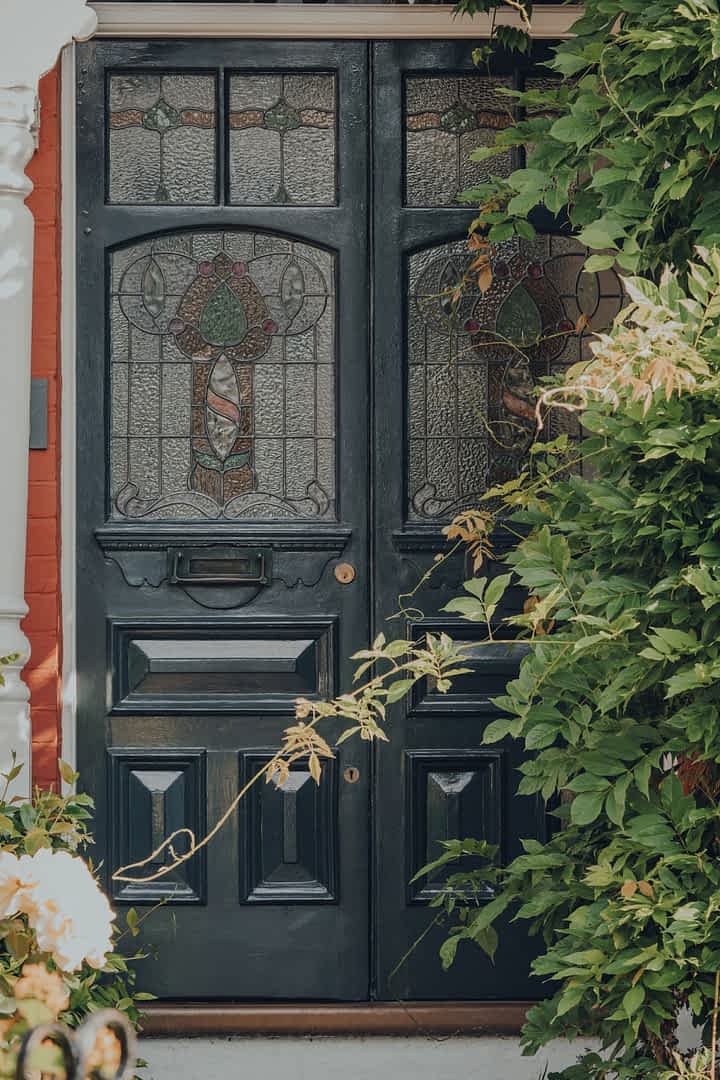
Looking for a new front door for your period property? Our guide to Edwardian front doors

Choosing the right front door for your home is important. Your entryway sets the tone of

Our handy guide will help you decide between hollow core, solid core, and solid wood
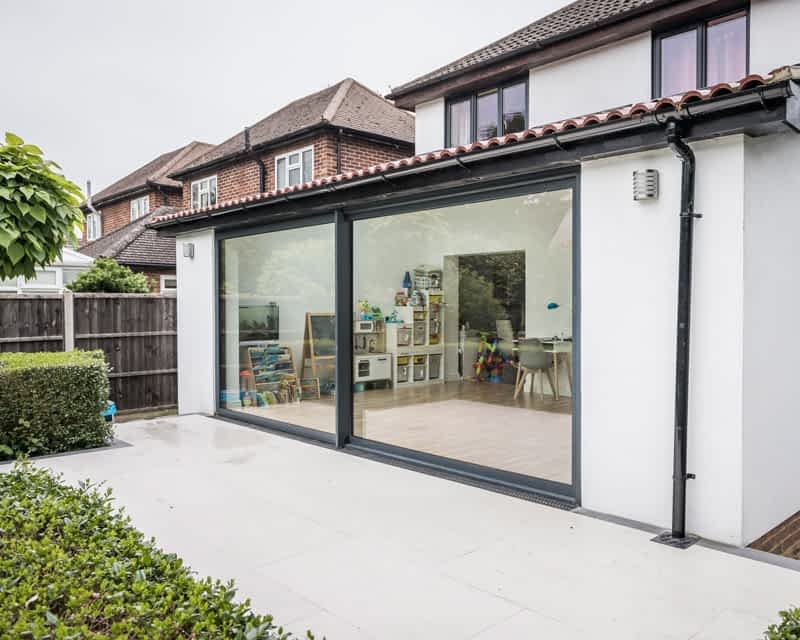
Bi-fold and sliding doors are a great addition to your home. They open up your space by
Our family values mean honest advice, real conversations, and help when you need it.
All of our products are delivered safely and reliably to any Mainland UK postcode.
Our expert support team are always on hand to answer your questions. Drop us a line today.
You’ll need to trim mm off the left & right of each door
You’ll need to pack mm either side of the frame
You’ll need to trim mm off the top and bottom of each door
You’ll need to pack mm above
You’ll need to trim mm off the left & right of each door
You’ll need to pack mm either side of the frame
You’ll need to trim mm off the top and bottom of each door
You’ll need to pack mm above



If you found this article useful, please share!