
Looking for help? Call 020 3744 0704 or email us
Getting the right latch can have a massive impact on your door. The type of door latch you pick will affect the way your door functions.
If the latch case depth you get is too big, you may damage your door when you try to install it. While one that is too short can make your door knob difficult to turn – or may not even work at all.
This is why you should always carefully measure up before buying a new latch. But unlike door handles, which are easy to see on the surface of the door, measuring latch sizes can appear difficult. It can appear that way, but it isn’t.
In this guide to measuring door latches, we’ll show you how simple the process is. We’ll set out the exact measurements you need to find when it comes to tubular latches as well as answer a couple of commonly asked questions you might ask along the way.

There is no ‘standard size’ for door latches. For a start, you can use different types of door latches on internal doors, and these will have different sizes. This is why it is so important to individually measure up before buying a new door latch.
The most commonly used door latches in the UK are tubular latches. These long, thin latches sit almost completely within the door itself (you can learn more about a tubular latch and how it works in our guide to door latches.)
These are usually either 64mm or 76mm but this is far from a rule. The range of door latch sizes actually goes as high as 152mm, which is why it’s so important you measure up correctly before buying a new door latch.
If you are fitting a tubular latch to a brand-new door slab, you have quite a lot of freedom when it comes to door latch sizes. You will be more restricted if you have a specific type of door handle or door knob in mind for your door, though.
The one thing you do need to do is make sure that the latch body is shorter than the width of your door stile. This is a strip of solid wood that sits along the vertical edge of your door – is also where the latch is fitted. You need the stability of solid wood to support the latch and the handle, so the whole latch needs to fit inside it.

As a general rule, a 76mm tubular latch is usually a good fit for a solid door fitted with standard lever door handles. If your door is glazed, then a shorter 64mm will allow for a narrower stile without damaging your glazing.
If you choose to use door knobs rather than lever handles, then you should look at larger door latch sizes. When door knobs are fitted too close to the edge of the door, your hand or fingers can catch on the door frame when you turn them. This can be irritating and painful. A longer backset size (which equals a longer overall length) is recommended, as it will let you put the handle further from the edge.
If you are replacing an existing latch, it is a good idea to replace like-for-like. This way you won’t need to pad out or extend the door recess or worry about replacing the strike plate. Remove the latch from the existing door and measure the length of the tubular latch body and the backset.
It is worth saying that if you just want to change up the look of your door with a new door handle or door knob, you don’t necessarily have to replace the latch if the mechanism still working well. But if you are swapping lever handles for door knobs, you may want to get a longer door latch.
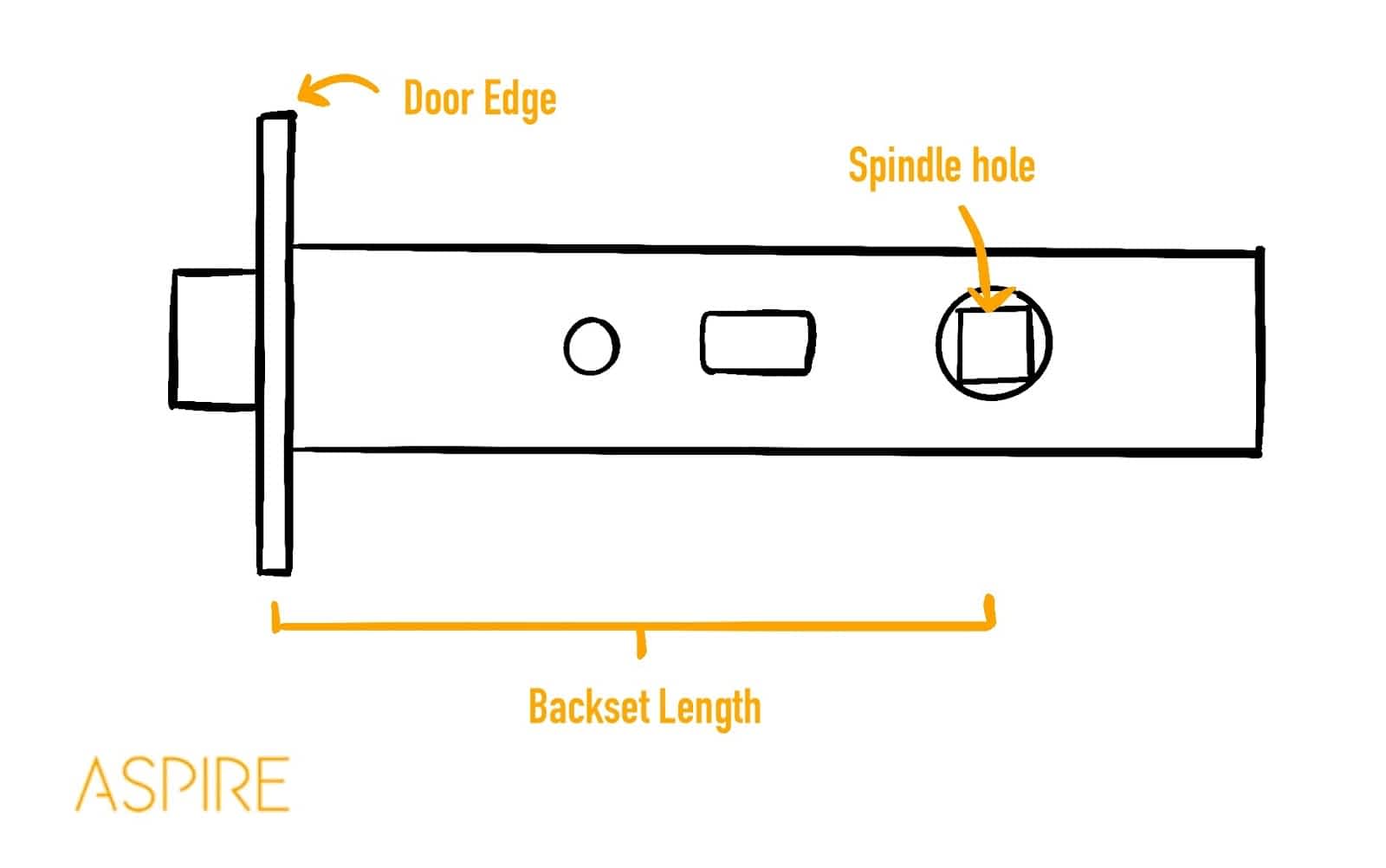
The backset measurement is the distance between the faceplate of the latch and the spindle hole, which is where your door handle threads through. This measurement will determine how far from the edge of the door your door handle sits, something which can have both a practical and visual impact.

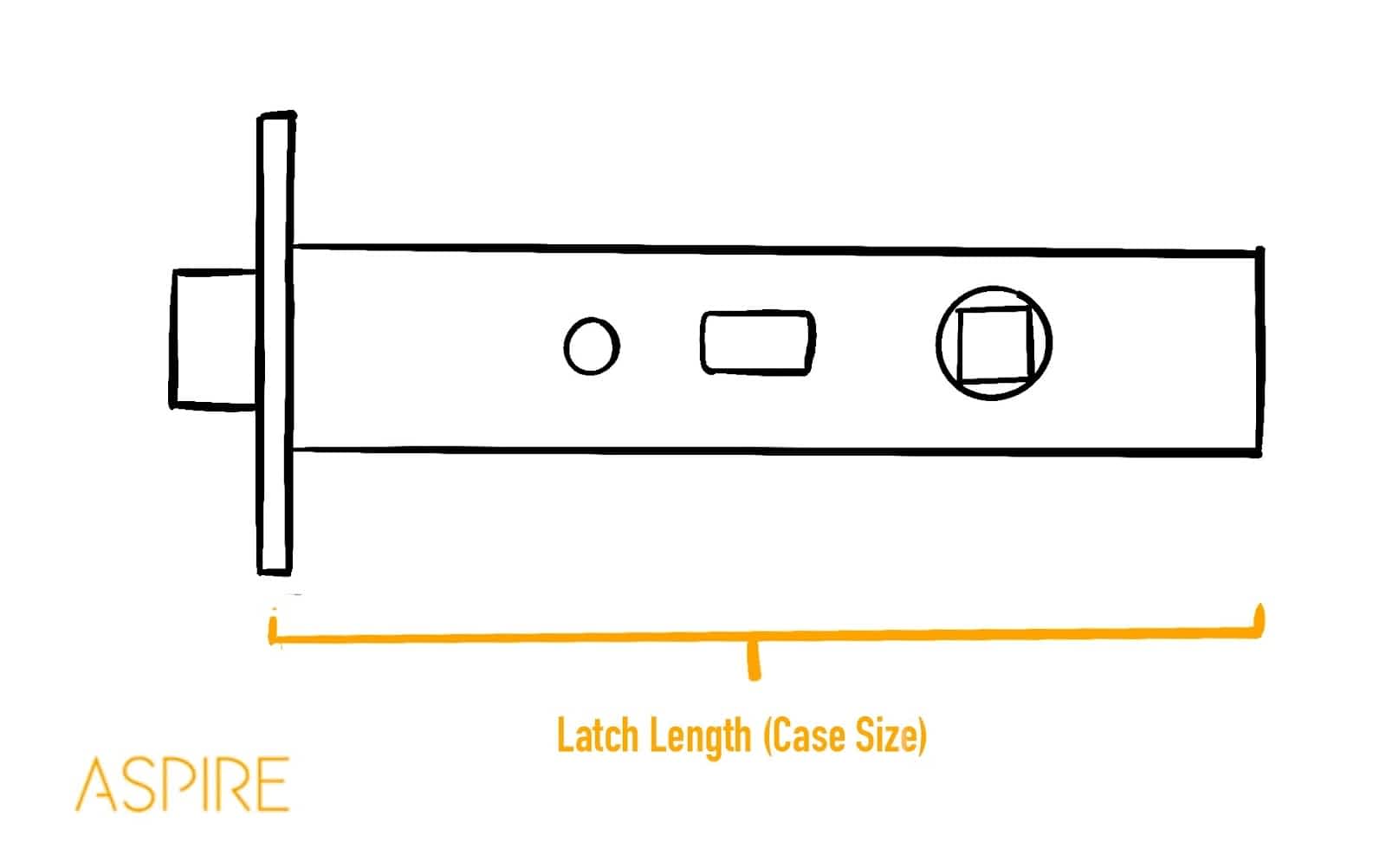
With a tubular latch, you need to take two measurements: the length of the tubular latch itself (from the faceplate to the end of the latch) and the backset measurement.
Step 1: measure the length of the latch
Step 2: measure the backset
Make sure you take your time to get the measurements complete correct, down to the nearest millimetre. Then repeat both these steps for added accuracy. After you’ve done this, you will have all the measurements you need to order new door latches.

Written by Aspire Doors
8th June 2023
Family run and customer focused, we believe every home deserves beautiful doors. From single internal doors to large external bifolds, we've been helping customers choose their dream doors for over a decade. Whether you're a tradesperson or a homeowner, our expert team is dedicated to guiding you every step of the way, from product selection to installation support.
Written by Aspire Doors
8th June 2023
Family run and customer focused, we believe every home deserves beautiful doors. From single internal doors to large external bifolds, we've been helping customers choose their dream doors for over a decade. Whether you're a tradesperson or a homeowner, our expert team is dedicated to guiding you every step of the way, from product selection to installation support.
Our family values mean honest advice, real conversations, and help when you need it.
All of our products are delivered safely and reliably to any Mainland UK postcode.
Our expert support team are always on hand to answer your questions. Drop us a line today.
Unit 2, Hayleys Manor Farm, Upland Road, Epping Upland, Essex CM16 6PQ

An internal door latch is a critical component to the security and privacy of any door!
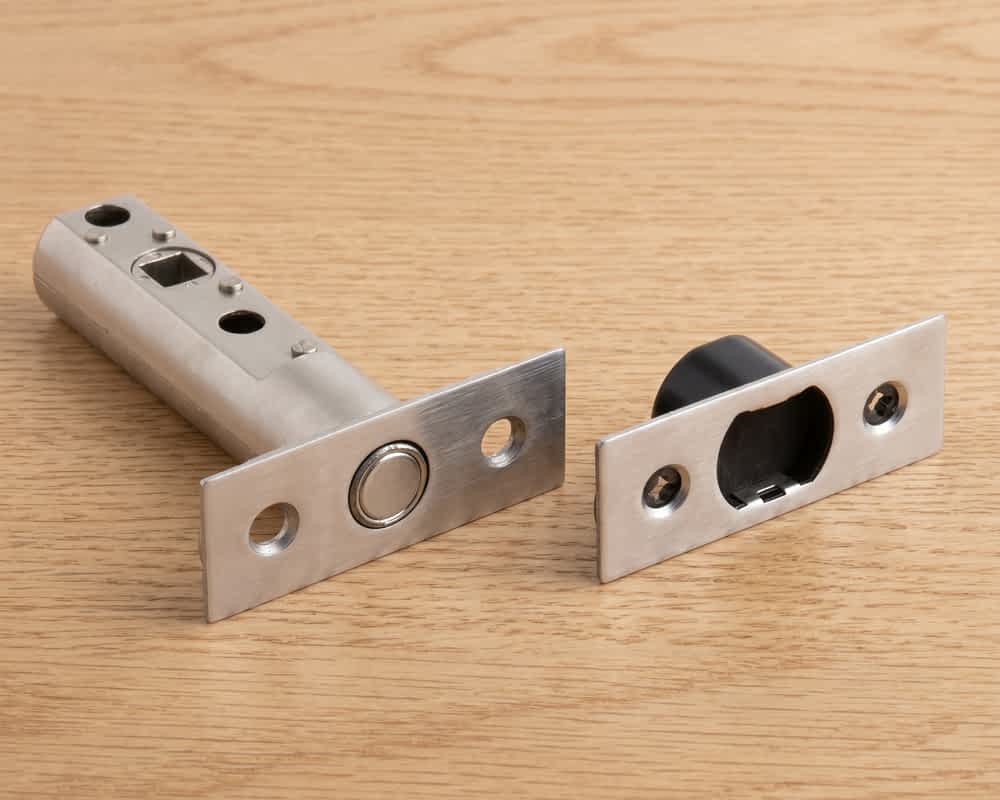
The humble door latch is a chronically overlooked and vitally important piece of door

Fitting door furniture is an often overlooked part of hanging an internal door, yet it is

A tubular mortice latch is a type of door lock that was invented in the 1700s. It was
Our family values mean honest advice, real conversations, and help when you need it.
All of our products are delivered safely and reliably to any Mainland UK postcode.
Our expert support team are always on hand to answer your questions. Drop us a line today.
You’ll need to trim mm off the left & right of each door
You’ll need to pack mm either side of the frame
You’ll need to trim mm off the top and bottom of each door
You’ll need to pack mm above
You’ll need to trim mm off the left & right of each door
You’ll need to pack mm either side of the frame
You’ll need to trim mm off the top and bottom of each door
You’ll need to pack mm above


If you found this article useful, please share!